
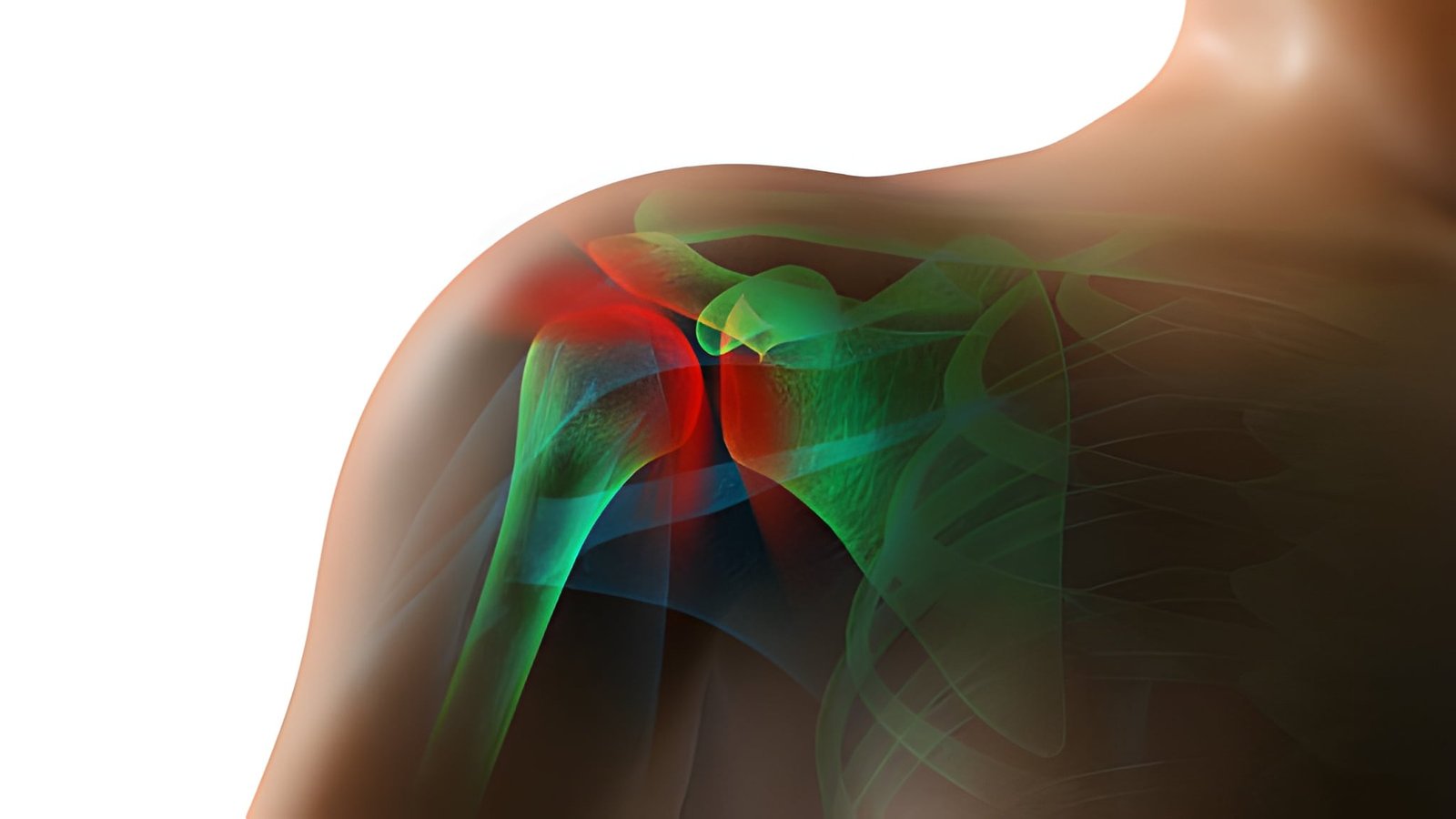
Being an athlete or simply being an active person comes with certain benefits and risks alike. We have all heard about the immense number of advantages of high-intensity activity and exercise. However, it is easy to forget how a bad movement or a poor technique can affect our health negatively. Dr. Berkman has heard thousands of cases in sports medicine with a common problem: rotator cuff tear, a condition characterized by a shoulder that feels okay at rest, but which stings when using it in your activities. Today, Dr. Berkman will talk about how athletes often face a rotator cuff tear and how we manage it in Houston, Texas.
Get Quality and Timely Treatment
Why Do Athletes Experience Rotator Cuff Tears Differently from the Regular Person
The rotator cuff is formed by four muscles and their tendons, stabilizing the humeral head. In a wide variety of sports, the rotator shoulder has to endure a high workload continuously; this is especially true for professional athletes who will manage this charge throughout full seasons and over multiple years.
The issue with repetitive loading at such high volume is that it leads to the production of microtrauma that accumulates faster than the tissue repairs itself, leaving tendons with degenerative changes that predate any obvious injury by months. An athlete may feel nothing dramatic, at least at the beginning, but eventually stiffness and dull pain will grow in the area.
As the patient ages, the case can progress further; if a tendon has already been under years of cumulative strain, the force threshold required to tear it is lower.
Rotator Cuff Tear Doctor Talks About Conservative Treatment Plan for Athletes
Often, athletes walk out of an initial appointment with a cortisone shot and a referral sheet and consider that a definitive solution. It isn’t. A real conservative approach involves a defined offloading period from sport-specific demand, anti-inflammatories during the acute phase, and a structured physical therapy program built specifically around restoring strength in the tissue surrounding the damaged tendon so the shoulder can function under load without asking the torn tendon to carry weight it currently can’t.
For partial tears and some full-thickness tears in athletes who aren’t in complete functional failure, conservative treatment gets most of them back to competing. The shoulder on imaging may still show the tear. That’s fine, plenty of athletes compete with tears that don’t require repair, because the surrounding musculature picks up enough of the load. What the doctor is evaluating at the three-month mark isn’t whether the MRI looks clean. It’s whether the shoulder can handle the specific demands of the sport without breaking down again.
Rotator Cuff Tear Doctor: When is the Time For Surgery?
Dr. Erick Berkman will always let the surgical option be the last one, reserved for those joints that have suffered significant damage. So most partial injuries will be treated with a non-surgical approach at first.
If the tear is severe or non-surgical treatments aren’t enough to provide relief, your rotator cuff tear doctor might recommend surgery. Dr. Berkman may consider an arthroscopic repair in some cases; nonetheless, for larger or more complex tears, he might need to make a larger incision to repair the tendon. This traditional approach gives him a direct view and more room to work.
Arthroscopic rotator cuff repair is the current standard for all of these scenarios. Small portal incisions, a camera, suture anchors that reattach the tendon to the humeral head, an outpatient procedure, and home the same day.
Related Content: Rotator Cuff Tear Doctor in Bellaire, Texas, Talks About When Surgery is Necessary
Finding the Right Rotator Cuff Tear Doctor in Houston, Texas
Shoulder pain in athletes rarely resolves on its own once it has reached the point of load-dependent symptoms and compensated movement. If that description fits where you are right now, the most useful next step is a diagnosis from someone who can tell you exactly what you’re dealing with, give you a realistic number for when you’ll be back, and build a plan around that target. Dr. Berkman can help you tailor a treatment plan, considering factors like tear size, activity level, occupation, overall health, and personal goals.
If you’re experiencing persistent shoulder pain, weakness, or limited range of motion, early evaluation makes a significant difference. Many rotator cuff tears that seem surgical at first respond well to conservative care when addressed promptly with the right physical therapy program.
If you have any questions or concerns, schedule an appointment with our Rotator Cuff Tear Doctor, Dr. Eric Berkman, MD, through this link.
RECOVER YOUR MOBILITY